
Reclaim Your Energy and Restore Your Balance
Stress & Burnout Therapy in Lincoln for chronic exhaustion and emotional depletion from work or life demands
Barbara Bradford offers stress and burnout therapy for individuals in Lincoln who are managing chronic stress, emotional exhaustion, and the weight of competing demands from work, relationships, and daily responsibilities. You may notice your energy consistently draining faster than you can restore it, your ability to focus diminishing, or emotional responses growing disproportionate to situations. This therapy is built around identifying the specific sources of stress in your life and developing targeted strategies that address both immediate overwhelm and the patterns that sustain burnout over time.
Sessions explore the ways pressure accumulates through overcommitment, unclear boundaries, or ongoing conflict in key areas of your life. You examine the difference between stress that motivates and stress that depletes, and you work on recognizing the early signals your body and mind send before exhaustion becomes entrenched. The therapy incorporates evidence-based techniques that improve emotional regulation, reduce reactivity, and create space for recovery. You also address the beliefs or expectations that may keep you locked into unsustainable routines, even when you recognize the cost.
If you are feeling stretched beyond what you can sustain and need support restoring balance in Lincoln, reach out to discuss how this therapy can help you rebuild capacity and direction.
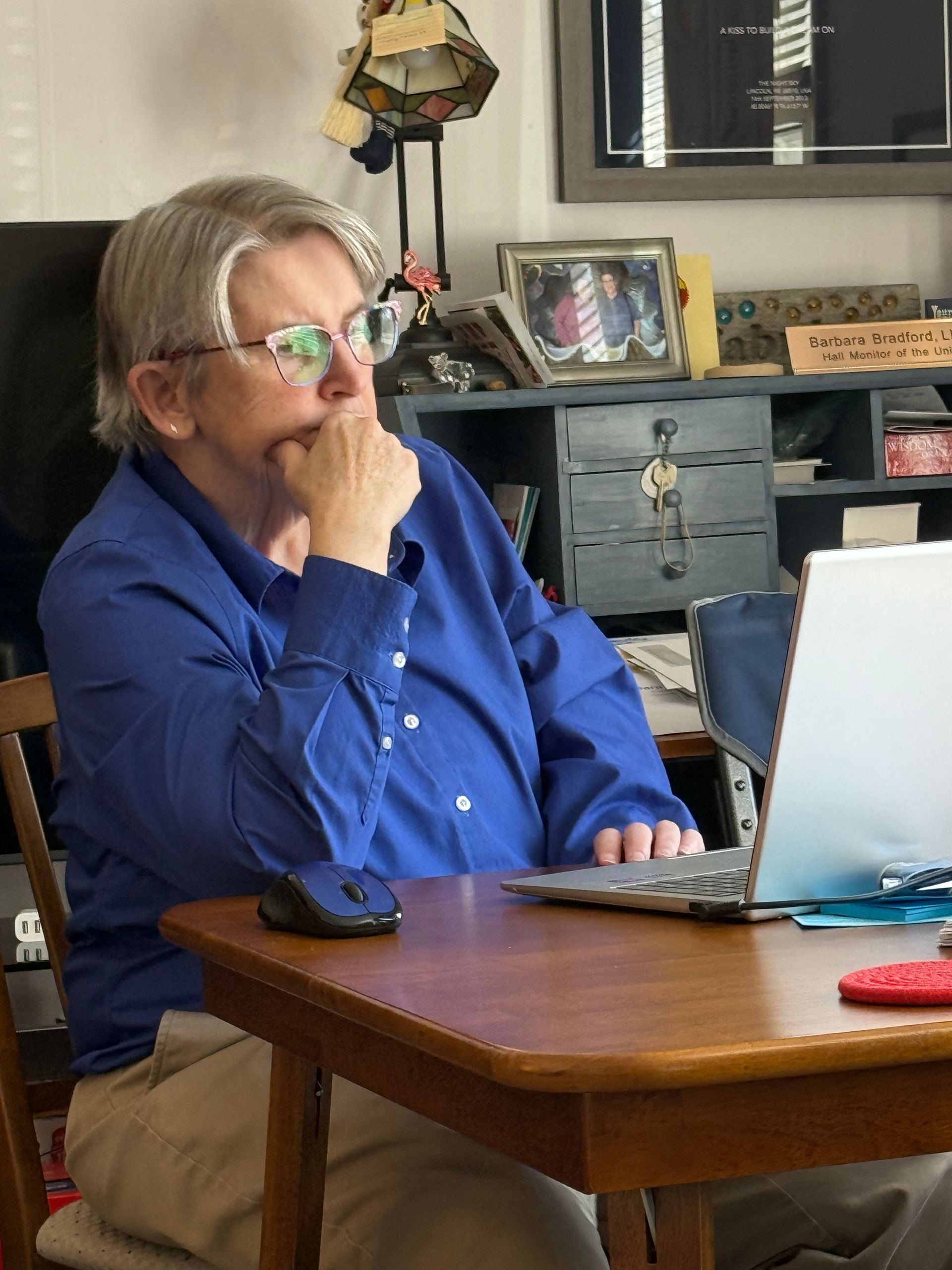
Building Sustainable Habits That Support Recovery
You work with Barbara Bradford to map out which responsibilities are essential, which can be modified, and which need to be released entirely. This includes examining how you allocate time, how you respond to requests, and where you may be sacrificing rest or connection in the name of productivity. The process is collaborative and grounded in your actual circumstances rather than prescriptive advice that assumes uniform conditions.
After consistent sessions, you will notice improvements in how you manage pressure without becoming overwhelmed, how you set and maintain boundaries that protect your energy, and how you approach tasks with restored motivation rather than dread. Barbara Bradford guides you in creating routines that prioritize recovery and self-care as functional components of your week, not optional additions. You leave therapy with a clearer sense of what drains you and what sustains you, and with the skills to make decisions that reflect that awareness.
The therapy also addresses what happens after the immediate crisis passes, helping you develop long-term habits that prevent relapse into burnout. You learn to monitor your own stress levels, adjust your commitments proactively, and recognize when external help or internal recalibration is needed. This work does not promise the elimination of stress but equips you to navigate it without sacrificing your health or sense of self.
Questions About Therapy for Stress and Burnout
These are common questions from individuals considering therapy to address chronic stress and burnout in Lincoln and surrounding areas.
What does burnout look like in everyday life?
You may feel constantly fatigued even after rest, detached from activities you once valued, irritable in interactions that used to feel manageable, or unable to focus on tasks that require sustained attention.
How does therapy help when the stress comes from external demands I cannot change?
Therapy focuses on how you respond to those demands, what boundaries you can set within existing constraints, and how to preserve energy and clarity even when circumstances remain difficult.
When should I start therapy for burnout?
You should consider starting when you notice persistent exhaustion, emotional numbness, declining performance, or withdrawal from relationships, rather than waiting until functioning becomes severely impaired.
Why does burnout keep returning even after rest?
Rest alone does not address the underlying patterns, beliefs, or external structures that produce burnout, which is why therapy targets those deeper sources alongside immediate symptom relief.
How long does it take to recover from burnout through therapy?
Recovery timelines vary based on the severity of depletion and the complexity of contributing factors, but most individuals begin noticing measurable improvements in energy and emotional regulation within several weeks of consistent work.
Barbara Bradford works with clients throughout Lincoln to address the specific conditions that contribute to stress and burnout in their lives. If you are ready to begin restoring balance and building habits that support long-term wellbeing, contact her office to schedule an initial session.