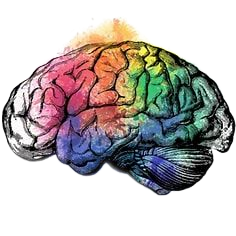
Therapy Designed for How You Think
Neurodivergent-Friendly Therapy in Lincoln for individuals navigating stress, relationships, or emotional processing through a neurodivergent lens
Barbara Bradford provides neurodivergent-friendly therapy in Lincoln designed to support individuals who process emotions, communication, and sensory input differently than traditional therapeutic models assume. You work in a structure that adapts to your communication style, your need for predictability or flexibility, and your comfort with various therapeutic methods. Sessions prioritize understanding rather than correction, focusing on building confidence, self-understanding, and emotional balance without forcing you into neurotypical expectations.
Therapy addresses the stress that arises when the world expects you to function in ways that do not match your natural cognitive or sensory profile. Barbara's training and experience allow her to adjust pacing, language, and therapeutic techniques to fit diverse cognitive styles, whether you are managing ADHD, autism, processing differences, or other neurodivergent traits. Sessions may focus on managing daily challenges, improving relationship dynamics, or developing practical strategies for work and home life.
If you are seeking therapy in Lincoln that respects how you think and does not require you to mask or conform, reach out to discuss how neurodivergent-friendly care can support your wellbeing.
Practical Strategies for Daily Challenges
You begin with an initial session where Barbara Bradford learns about your cognitive style, sensory needs, and the specific challenges you face in relationships, work, or daily routines. This conversation shapes how sessions are structured, including whether you prefer direct communication, written summaries, or visual aids. Some clients benefit from predictable session formats, while others prefer open-ended discussions that follow their thought patterns.
Over time, you will notice improved ability to articulate your needs, reduced stress in situations that previously felt overwhelming, and greater confidence in navigating social and professional environments. Clients report feeling less judged and more understood, which allows them to focus on growth rather than self-defense. Barbara Bradford emphasizes practical tools and strategies tailored to how you process information and manage stress.
Telehealth sessions provide flexibility for clients who find in-person appointments draining or who need to manage sessions from a familiar environment. Sensory accommodations, such as dimmed lighting or reduced background noise, can be easier to control at home, making remote therapy a comfortable option for many neurodivergent clients across Nebraska.
Questions About Neurodivergent-Friendly Therapy
Clients often ask about how therapy adapts to their needs, what makes it neurodivergent-friendly, and how sessions differ from traditional approaches. These answers address common questions about this type of care in Lincoln.
What does neurodivergent-friendly therapy mean in practice?
Sessions adapt to your communication style, sensory needs, and cognitive processing rather than expecting you to fit a standard therapeutic model. You are not asked to make eye contact, sit still, or explain yourself in ways that feel unnatural.
How does Barbara Bradford adjust sessions for different cognitive styles?
She may use written summaries, visual tools, or direct language depending on what helps you understand and retain information. Session pacing and structure also adapt to whether you prefer consistency or flexibility.
What challenges do neurodivergent clients typically address in therapy?
Clients discuss stress from masking, difficulty with social expectations, sensory overload, relationship misunderstandings, executive function struggles, and emotional regulation. Therapy also supports self-acceptance and building routines that work with your brain rather than against it.
Why do some clients in Lincoln prefer telehealth for neurodivergent-friendly therapy?
Telehealth allows you to control your environment, reduce sensory input, and avoid the stress of traveling to an unfamiliar office. Sessions feel more predictable and less draining for many clients.
What if I do not have a formal diagnosis but know I process things differently?
You do not need a diagnosis to benefit from neurodivergent-friendly therapy. Barbara Bradford works with clients based on their lived experiences and needs rather than requiring labels or formal assessments.
If you are ready to work with a therapist who adapts to how you think and respects your cognitive style, contact Barbara Bradford to schedule your first session in Lincoln.